
self reflection worksheet pdf
Self-reflection worksheets, often in PDF format, are powerful tools for personal assessment․ They encourage introspection, aiding in understanding one’s thoughts, feelings, and behaviors․
What is Self-Reflection?
Self-reflection is the conscious process of examining your own thoughts, feelings, motivations, and behaviors․ It’s a deliberate inquiry into why you do what you do and how it impacts you and others․ This isn’t simply dwelling on the past; it’s actively learning from experiences․
Utilizing a self-reflection worksheet, particularly in PDF format, provides structure to this process․ It moves beyond casual introspection, prompting focused consideration of specific areas like values, strengths, and weaknesses․ It’s about gaining self-awareness and fostering personal growth through honest self-assessment and mindful examination of one’s internal landscape․
Why Use a Self-Reflection Worksheet?
A self-reflection worksheet, often conveniently available as a PDF, offers a focused alternative to unstructured journaling․ It provides targeted prompts, guiding you to explore specific aspects of your life and experiences․ This structured approach can unlock deeper insights than simply free-writing․
Worksheets help overcome the challenge of knowing where to begin with self-examination․ They encourage honest self-assessment, identify patterns in behavior, and facilitate goal setting․ The PDF format ensures accessibility and portability, allowing reflection anytime, anywhere, promoting consistent personal development․

Benefits of Using a PDF Format
PDF worksheets are universally accessible, easily downloadable, and printable․ Their format ensures consistent presentation across devices, aiding focused self-reflection and analysis․
Accessibility and Portability
PDF format champions accessibility, allowing users with diverse devices – computers, tablets, and smartphones – to effortlessly open and complete self-reflection exercises․ This widespread compatibility removes technological barriers to personal growth․ Portability is another key advantage; a PDF worksheet can be easily carried and accessed anywhere, anytime, fostering reflection during commutes, breaks, or travel․
Unlike format-specific documents, PDFs maintain their integrity across platforms․ This ensures the worksheet appears as intended, regardless of the operating system or software used․ The ability to download and store worksheets offline further enhances accessibility, eliminating reliance on internet connectivity for consistent self-assessment․
Cost-Effectiveness
Utilizing self-reflection worksheets in PDF format presents a remarkably cost-effective approach to personal development․ Numerous free resources are readily available online, offering a wealth of prompts and exercises without financial investment․ Even premium worksheets often represent a small, one-time expense compared to the cost of therapy or coaching sessions․
The PDF format itself contributes to cost savings by eliminating the need for specialized software or subscriptions․ Printing costs are minimal, and digital completion negates paper expenses entirely․ This accessibility makes self-reflection a financially viable option for individuals seeking personal insight and growth on any budget․

Key Components of a Self-Reflection Worksheet
Effective self-reflection worksheets (often PDFs) typically include sections for values identification, strengths/weaknesses analysis, experience review, and future goal setting․
Identifying Your Values
Identifying core values is a crucial component of any robust self-reflection worksheet, frequently available as a downloadable PDF․ These worksheets prompt you to pinpoint what truly matters – principles like honesty, creativity, or family․
Exercises often involve ranking potential values or reflecting on moments when you felt most fulfilled or conflicted․ Understanding your values provides a compass for decision-making and helps align your actions with your authentic self․ A well-designed PDF worksheet will offer a comprehensive list and space for personalized additions, fostering deeper self-awareness and guiding personal growth․
Exploring Your Strengths and Weaknesses
A key section within a self-reflection worksheet, often found as a convenient PDF download, focuses on honest self-assessment of strengths and weaknesses․ These PDF resources typically include prompts encouraging you to identify skills you excel at and areas needing improvement․
Worksheets may ask for specific examples demonstrating these qualities․ Recognizing both aspects is vital for personal development; leveraging strengths while addressing weaknesses fosters growth․ A good PDF will guide you beyond simple listing, prompting analysis of why you possess certain strengths or struggle with specific challenges․
Analyzing Past Experiences
Self-reflection worksheets, frequently available as downloadable PDFs, dedicate significant space to examining past experiences․ These PDF documents prompt you to revisit specific events – successes, failures, or pivotal moments – and dissect them objectively․ The goal isn’t simply recalling what happened, but understanding why it unfolded as it did․
Effective PDF worksheets encourage identifying lessons learned, recognizing patterns in your behavior, and acknowledging the impact of those experiences on your present self․ This analytical process is crucial for avoiding repeating mistakes and building upon past achievements․
Setting Future Goals
A key component of many self-reflection worksheet PDFs is dedicated to future goal setting․ After analyzing strengths, weaknesses, and past experiences, these worksheets guide you in defining actionable objectives․ They move beyond vague aspirations, prompting you to articulate specific, measurable, achievable, relevant, and time-bound (SMART) goals․
PDF formats often include sections for breaking down larger goals into smaller, manageable steps․ This fosters a sense of progress and prevents overwhelm․ Regularly revisiting these goals within the worksheet ensures continued motivation and accountability․

Types of Self-Reflection Worksheets
Self-reflection worksheet PDFs vary widely, encompassing personal growth, career development, emotional intelligence, and mindfulness – catering to diverse introspective needs․
Worksheets Focused on Personal Growth
Personal growth self-reflection worksheets, frequently available as PDF downloads, center on identifying areas for improvement and fostering self-awareness․ These resources often prompt users to examine their values, beliefs, and habits, encouraging a deeper understanding of their authentic selves․
Common prompts explore strengths and weaknesses, past experiences, and future aspirations․ They facilitate goal setting aligned with personal values, promoting positive change and increased self-esteem․ Utilizing these PDF worksheets provides a structured approach to self-discovery, helping individuals unlock their full potential and cultivate a more fulfilling life․ They are excellent journaling starters․
Career-Oriented Reflection Worksheets
Career-oriented self-reflection worksheets, commonly found in PDF format, are designed to assess professional development and guide career decisions․ These resources prompt users to evaluate their skills, interests, and career goals, fostering a clearer understanding of their professional path․
Typical prompts focus on achievements, challenges, and areas for skill enhancement․ They encourage analysis of workplace relationships and identification of career values․ Utilizing these PDF worksheets aids in setting realistic career goals and developing strategies for advancement, ultimately leading to increased job satisfaction and professional success․ They are valuable tools for career planning․
Worksheets for Emotional Intelligence
Emotional intelligence (EQ) self-reflection worksheets, frequently available as PDF downloads, focus on understanding and managing one’s own emotions and recognizing those of others․ These tools prompt users to examine their emotional responses to various situations, fostering self-awareness and empathy․
Prompts often explore triggers, coping mechanisms, and the impact of emotions on behavior․ Utilizing these PDF resources helps individuals identify areas for emotional growth, improve communication skills, and build stronger relationships․ They are instrumental in developing self-regulation and enhancing overall emotional well-being, leading to improved interpersonal dynamics․
Worksheets for Mindfulness and Well-being
Mindfulness and well-being self-reflection worksheets, commonly found in PDF format, guide users toward present moment awareness and cultivating a positive mental state․ These resources encourage exploration of thoughts, feelings, and sensations without judgment, promoting inner peace and reducing stress․
PDF prompts often center around gratitude, self-compassion, and identifying sources of joy․ Regularly engaging with these worksheets can enhance emotional resilience, improve focus, and foster a greater sense of contentment․ They support the development of mindful habits, contributing to overall psychological health and a more balanced lifestyle․

Popular Self-Reflection Prompts
Self-reflection worksheet PDFs frequently include prompts about achievements, challenges, relationships, and values, sparking introspection and facilitating personal growth through guided questioning․
Prompts About Achievements
Self-reflection worksheet PDFs often dedicate sections to acknowledging accomplishments․ Prompts might ask: “What are you most proud of achieving in the past year?” or “Describe a time you overcame a significant obstacle․”
These questions encourage individuals to recognize their strengths and build self-confidence․ Further prompts explore how these achievements were attained, focusing on skills utilized and lessons learned․
Worksheets may also ask about the impact of these successes on others, fostering gratitude and a broader perspective․ Analyzing achievements isn’t about boasting; it’s about understanding personal capabilities and identifying patterns for future success․
Prompts About Challenges and Failures
Self-reflection worksheet PDFs frequently include prompts addressing setbacks․ Questions like “Describe a time you failed and what you learned from it” are common․ These aren’t meant to dwell on negativity, but to extract valuable lessons․
Worksheets encourage analyzing why a challenge occurred, identifying contributing factors, and exploring alternative approaches․ Prompts might ask about emotional responses to failure and how those were managed․
The goal is to reframe failures as opportunities for growth, fostering resilience and a growth mindset․ Recognizing weaknesses is as crucial as celebrating strengths, leading to more effective self-improvement․
Prompts About Relationships
Self-reflection worksheet PDFs often dedicate sections to interpersonal dynamics․ Prompts explore the quality of your relationships – family, friends, romantic partners, and colleagues․ Questions might ask about communication patterns and conflict resolution styles․
These worksheets encourage evaluating your role in relationships, identifying areas where you excel and where improvement is needed․ Prompts could focus on boundaries, empathy, and active listening skills․
The aim isn’t to assign blame, but to foster healthier connections through self-awareness․ Understanding your impact on others is vital for building strong, fulfilling relationships․
Prompts About Personal Values
Self-reflection worksheet PDFs frequently include prompts designed to clarify your core values․ These questions delve into what truly matters to you – integrity, kindness, creativity, or perhaps ambition․
Identifying your values provides a compass for decision-making and helps align your actions with your beliefs․ Prompts might ask you to rank values, describe how you demonstrate them, or consider conflicts between them․
Understanding your values is crucial for living an authentic and meaningful life, guiding you towards choices that resonate with your inner self․

Finding and Downloading Self-Reflection Worksheets (PDF)
Numerous PDF self-reflection worksheets are available online, both free and paid, offering diverse prompts and formats to suit individual needs and preferences․
Free Online Resources
Many websites offer downloadable self-reflection worksheets in PDF format at no cost․ These resources frequently include a variety of prompts targeting different areas of life, such as personal growth, career development, and emotional well-being․ Psychology Tools and Therapy Worksheets are excellent starting points, providing professionally designed templates․
Pinterest also hosts a wealth of free worksheets, often visually appealing and categorized for easy browsing․ Searching for “self-reflection worksheet PDF” on Google will yield numerous results from blogs and individual therapists offering free downloads․ Remember to evaluate the source’s credibility before using any worksheet, ensuring it aligns with your self-reflection goals․
Paid Worksheet Options
While numerous free self-reflection worksheets in PDF format are available, paid options often provide more in-depth and specialized content․ Platforms like Etsy and Teachers Pay Teachers host a variety of professionally created worksheets, often designed by therapists or coaches․
These paid resources may include more extensive prompts, detailed guidance, and accompanying workbooks․ They can be particularly beneficial for focused self-improvement or specific life challenges․ Consider exploring options from reputable sources offering specialized worksheets tailored to areas like anxiety, career transitions, or relationship building, ensuring a higher quality and targeted experience․
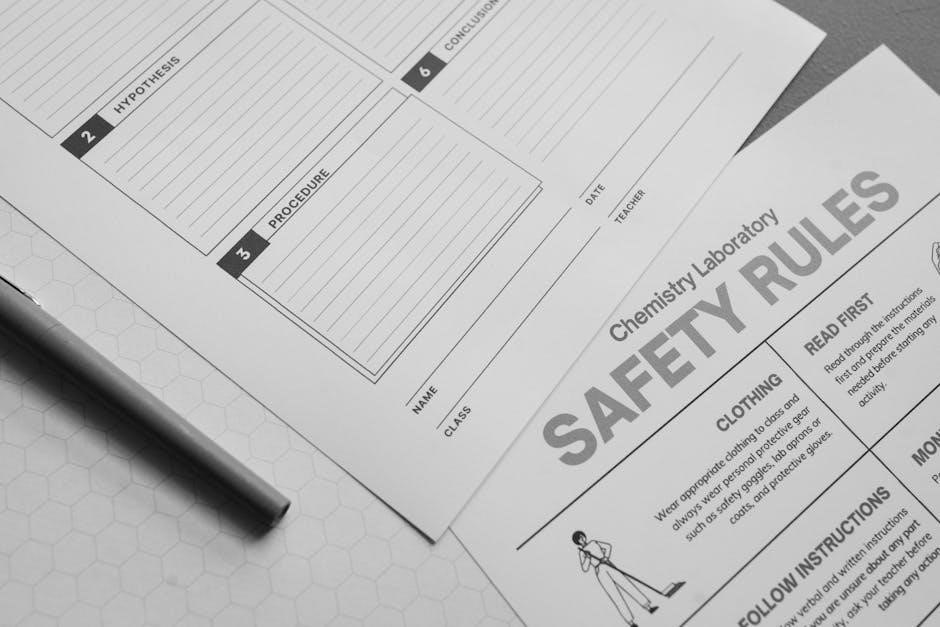
Customizing Your Self-Reflection Worksheet
PDF worksheets are easily adapted! Add personalized prompts reflecting your unique goals, or adjust the format to better suit your preferred style of introspection․
Adding Personal Prompts
PDF self-reflection worksheets offer a fantastic base, but truly maximizing their impact involves personalization․ Don’t hesitate to add prompts specifically tailored to your current life circumstances and areas you wish to explore․ Consider questions about recent challenges, evolving relationships, or emerging passions․
Think about what genuinely keeps you up at night or excites you – these are fertile grounds for insightful prompts․ Modify existing questions to be more relevant, or create entirely new ones․ The goal is to create a tool that resonates deeply with your individual journey, fostering more honest and meaningful self-discovery․
Adjusting the Format
While PDF worksheets offer convenience, don’t feel constrained by their initial layout․ Many PDF editors allow you to add text boxes, expand space for longer answers, or even rearrange sections to better suit your thinking process․ If a worksheet feels visually cluttered, simplify it!
Consider changing font sizes or adding visual cues like highlighting or underlining to emphasize key areas․ You can also convert the PDF to a Word document for more extensive formatting changes, though remember to save it back as a PDF for easy sharing and portability․

Tips for Effective Self-Reflection
Self-reflection thrives with consistency and honesty; schedule dedicated time, find a quiet space, and answer PDF worksheet prompts with genuine self-awareness․
Creating a Dedicated Time and Space
Effective self-reflection, especially when utilizing a self-reflection worksheet PDF, demands a consistent and undisturbed environment․ Carve out a specific time slot in your schedule – perhaps 30 minutes weekly – and treat it as a non-negotiable appointment with yourself․
Find a quiet, comfortable space where you won’t be interrupted․ This could be a cozy corner in your home, a peaceful outdoor setting, or any location that promotes calmness and focus․ Minimizing distractions – silencing your phone, turning off notifications – is crucial․
This dedicated time and space signal to your mind that it’s time for introspection, fostering a deeper and more meaningful self-reflection process․
Being Honest with Yourself
The true value of a self-reflection worksheet PDF lies in your willingness to engage with brutal honesty․ Resist the urge to present an idealized version of yourself; instead, acknowledge both your strengths and weaknesses without judgment․
This isn’t about self-criticism, but rather a clear-eyed assessment of your actions, motivations, and feelings․
Authenticity is paramount․ If you’re struggling with a particular challenge, admit it․ If you’re proud of an accomplishment, fully embrace it․
Genuine self-awareness, cultivated through honest reflection, is the foundation for personal growth and meaningful change․
Reviewing Your Reflections Regularly
A self-reflection worksheet PDF isn’t a one-time exercise; its power unfolds through consistent review․ Schedule dedicated time – perhaps monthly or quarterly – to revisit your completed worksheets․
Observe patterns in your responses․ Are you consistently facing the same challenges? Have your values shifted?
Tracking your progress over time reveals valuable insights into your personal evolution․
This ongoing process transforms self-reflection from a fleeting moment of introspection into a continuous journey of self-discovery and intentional growth, maximizing the PDF’s benefit․

Self-Reflection and Journaling
Self-reflection worksheets, often as PDFs, complement journaling beautifully; they can serve as structured prompts to initiate deeper, more focused writing․
The Connection Between the Two
Self-reflection worksheets, frequently available as convenient PDF downloads, and traditional journaling are deeply intertwined practices․ Worksheets provide a focused framework, offering specific prompts to guide introspection, while journaling allows for free-flowing exploration of thoughts and feelings․
Essentially, a worksheet can kickstart a journaling session․ The structured questions encourage initial self-assessment, then the journal becomes a space to elaborate on those responses with greater detail and personal nuance; Both methods aim to increase self-awareness, but worksheets offer direction, and journaling fosters organic discovery․ They are synergistic tools for personal growth․
Using Worksheets as Journaling Starters
Self-reflection worksheets in PDF format excel as excellent launching points for deeper journaling explorations․ Instead of facing a blank page, a worksheet’s prompts provide immediate focus, overcoming initial inertia․ Answer a few questions, then use those responses as springboards for extended free-writing in your journal․
For example, a worksheet prompt about a past challenge can inspire a detailed journal entry recounting the experience, analyzing lessons learned, and exploring emotional responses․ This method combines structure with spontaneity, maximizing the benefits of both practices․ It’s a powerful way to unlock richer self-understanding․

Advanced Self-Reflection Techniques
PDF worksheets can facilitate techniques like the “Five Whys” or SWOT analysis, moving beyond simple introspection to uncover root causes and strategic insights․
Using the “Five Whys” Method
The “Five Whys” is a powerful technique easily implemented using a self-reflection worksheet PDF․ Begin with a problem or situation you’re analyzing․ Repeatedly ask “Why?” five times, delving deeper with each iteration․
This process helps uncover the root cause, moving beyond superficial symptoms․ A PDF worksheet provides structured space to record each “Why” and its corresponding answer; For example, “Why was the project delayed?” followed by subsequent “Whys” related to the initial response․
This iterative questioning reveals underlying issues often missed in initial assessments, fostering a more thorough understanding and effective problem-solving․
SWOT Analysis for Personal Development
SWOT analysis – Strengths, Weaknesses, Opportunities, and Threats – is a strategic planning tool adaptable for self-reflection, particularly effective when using a PDF worksheet․ This method helps assess your internal capabilities (Strengths & Weaknesses) and external factors (Opportunities & Threats)․
A PDF template provides dedicated sections for each category, prompting focused introspection․ Identify your core competencies, areas for improvement, potential avenues for growth, and challenges to overcome․
This structured approach, facilitated by a downloadable worksheet, enables a comprehensive evaluation of your current position and informs future development goals․