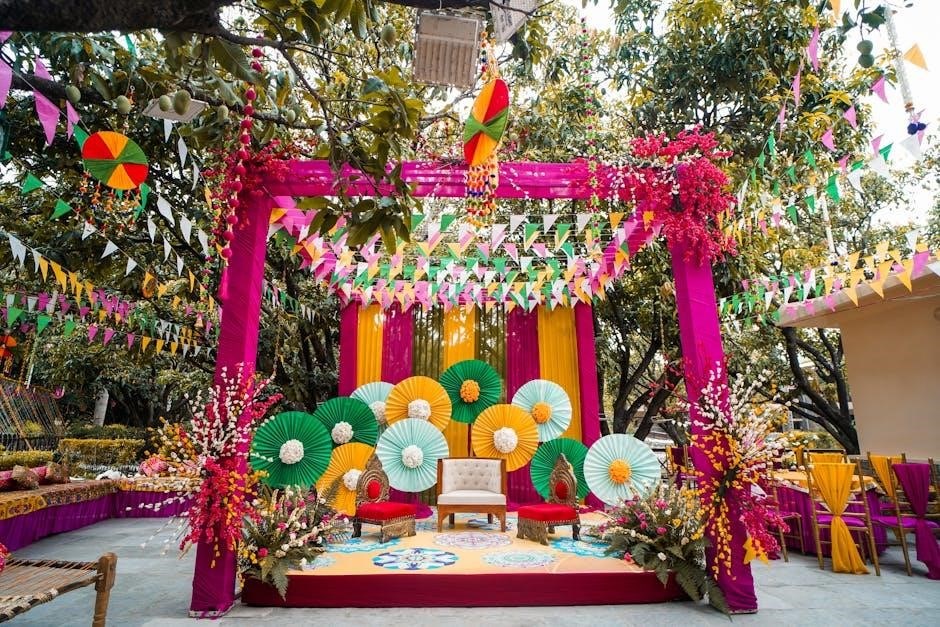
marquee outdoor party pavilion instructions
Marquee Outdoor Party Pavilion Instructions: A Comprehensive Guide
Google Maps now offers detailed indoor maps, alongside Street View and 3D mapping, enhancing navigation within buildings and providing immersive experiences globally.
Planning & Preparation
Careful planning is paramount for a successful marquee event; Begin by determining the guest list to accurately estimate the required marquee size – consider seating arrangements, dance floors, and catering areas. Site selection is crucial; assess the ground conditions for stability, ensuring it’s level and free from underground utilities.
Check local regulations regarding permits and event permissions. Compile a comprehensive equipment list, including the marquee itself, ground sheets, anchoring systems, lighting, and any planned heating or cooling solutions. Explore Google Maps for potential site layouts and accessibility considerations.
Consider weather forecasts and plan accordingly with side walls or additional anchoring. Develop a detailed setup schedule, allocating sufficient time for each stage of the installation process. Finally, establish a contingency plan for unexpected issues, such as inclement weather or equipment malfunctions, to ensure a smooth and enjoyable event.
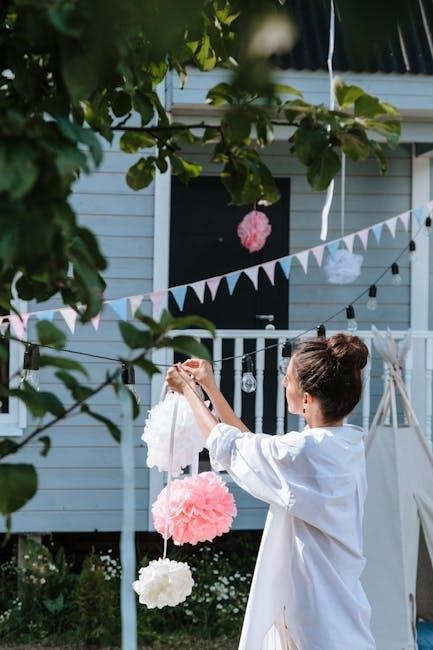
Choosing the Right Marquee Size
Google Maps’ indoor mapping capabilities demonstrate precise spatial planning; similarly, accurately assess guest numbers and desired features to determine optimal marquee dimensions.
Site Selection & Ground Conditions
Careful site selection is paramount for a stable and safe marquee installation, mirroring Google Maps’ precision in locating and detailing spaces. Prioritize a level surface, avoiding slopes that could compromise structural integrity. Inspect the ground for hidden hazards like underground utilities – pipes, cables – or rocky patches. Soft ground, like mud or loose soil, requires ground protection such as plywood or specialized flooring to distribute weight and prevent sinking.
Consider drainage; avoid areas prone to waterlogging, especially during inclement weather. Ensure sufficient space around the marquee for guy ropes and anchoring systems, allowing for wind resistance. Check for overhead obstructions like trees or power lines. Accessibility for delivery vehicles and guests is also crucial. A thorough assessment of these ground conditions will contribute significantly to a successful and secure event, much like Google Maps provides detailed location information.
Necessary Tools & Equipment
Assembling a marquee demands specific tools, akin to the technology Google Maps utilizes for precise mapping. Essential items include a rubber mallet for gentle hammering, adjustable wrenches for tightening bolts, and measuring tapes for accurate frame alignment. Safety glasses and work gloves are non-negotiable for personal protection. A spirit level ensures the frame is perfectly horizontal.
For securing the marquee, you’ll need robust pegs or ground anchors appropriate for the terrain. Rope or ratchet straps are vital for tensioning guy ropes. A ladder or step stool provides safe access to higher frame sections. Power drills with appropriate bits can expedite assembly, but manual tightening is often preferred for control. Finally, a comprehensive first-aid kit is crucial for addressing minor injuries, mirroring Google Maps’ commitment to user safety through accurate directions.
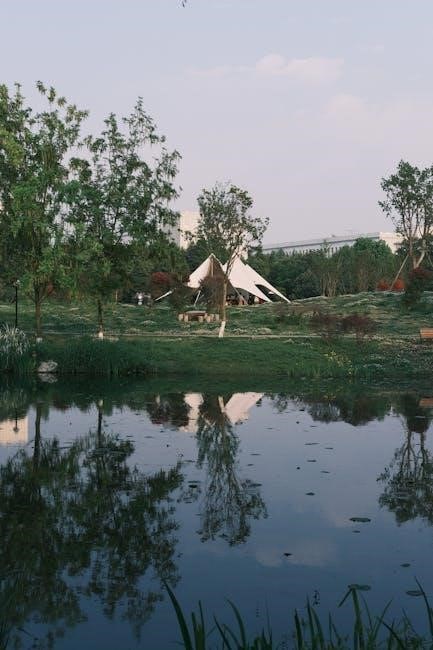
Understanding Marquee Components
Google Maps integrates indoor floor plans seamlessly; similarly, marquees consist of interconnected frame parts and fabric elements, creating a weatherproof shelter for events.
Frame Components (Legs, Beams, Connectors)
The marquee frame is the structural backbone, demanding careful assembly. Legs, typically steel or aluminum, provide vertical support and determine the marquee’s height. Beams, running horizontally, connect the legs, forming the roof’s foundation and distributing weight evenly. Crucially, connectors – bolts, clamps, and specialized joining pieces – securely fasten legs and beams together.
These connectors are vital for stability; ensure they are tightened to the manufacturer’s specifications. Different marquee designs utilize varying connector types, so familiarity with the specific system is essential. The quality of these components directly impacts the marquee’s wind resistance and overall safety. Regularly inspect connectors for wear and tear, replacing any damaged parts immediately. Like Google Maps integrating diverse data, a strong frame relies on the precise connection of its parts.
Fabric Components (Roof, Walls, Doors)
Marquee fabric components provide weather protection and enclosure. The roof, typically made of PVC-coated polyester, shields against rain and sun. Walls, often interchangeable with the roof material, offer privacy and windbreaks. Doors, available in various sizes and configurations – zipped, roll-up, or framed – allow access and ventilation.
Fabric tension is critical; properly stretched fabric prevents water pooling and flapping in the wind. Like Street View offering immersive perspectives, fabric defines the marquee’s interior environment. Consider fabric weight – heavier fabrics offer greater durability and weather resistance. Regularly inspect for tears or punctures, repairing them promptly to maintain integrity. Proper storage when not in use prevents mildew and extends fabric lifespan. The quality of these materials significantly impacts the overall comfort and usability of the marquee.
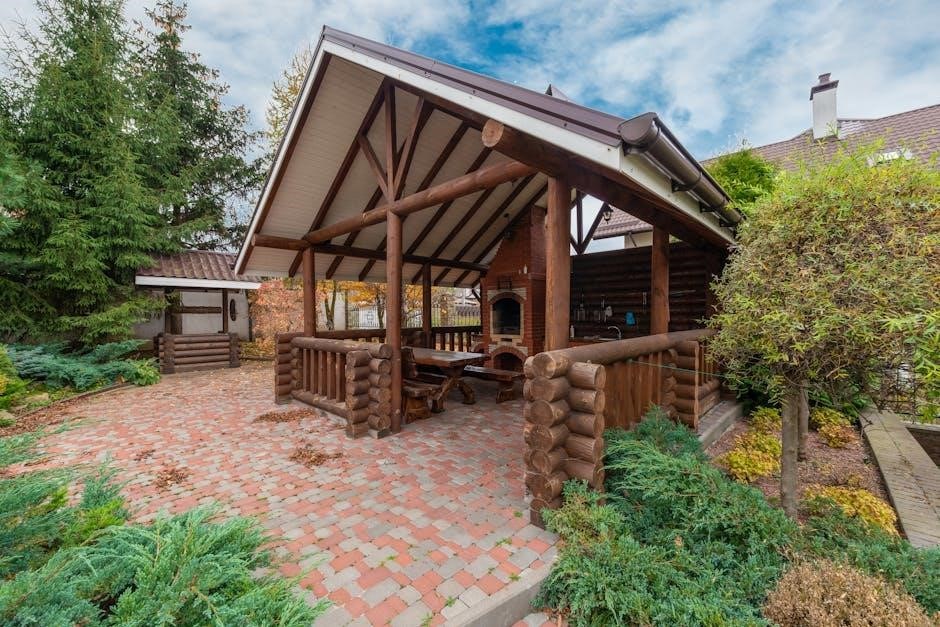
Installation Process
Google Maps integrates indoor floor plans seamlessly, automatically enabling them upon zooming in, similar to a methodical marquee setup for optimal functionality.
Laying Out the Ground Sheet
Preparing the foundation is paramount for a stable and secure marquee installation. Begin by thoroughly clearing the designated area of any debris – rocks, sticks, roots, or sharp objects – that could potentially damage the ground sheet or, subsequently, the marquee fabric. Unroll the ground sheet, ensuring it extends beyond the planned perimeter of the marquee frame by at least 30cm (12 inches) on all sides.
This overlap provides an essential buffer against ground moisture and helps to secure the edges. Carefully smooth out any wrinkles or creases in the ground sheet, striving for a taut and even surface. Utilize pegs or ground anchors, spaced approximately every meter (3 feet), to firmly secure the ground sheet to the earth. Consider the terrain; on softer ground, longer or heavier-duty pegs may be necessary. Proper ground sheet placement is akin to the detailed indoor maps of Google Maps – a foundational element for overall structural integrity and a successful event.
Assembling the Marquee Frame ⏤ Step-by-Step
Begin with the base frame, connecting the legs and primary beams using the provided connectors. Ensure all connections are secure and properly tightened – a loose connection compromises stability. Work systematically, building outwards from a central point. Refer to the manufacturer’s diagrams for specific component orientation; variations exist between marquee models.
As you assemble, periodically check for levelness using a spirit level. Adjust leg extensions as needed to compensate for uneven ground. Once the base frame is complete, install the roof beams, again ensuring secure connections. Like navigating with Google Maps, a methodical approach is key. Double-check all connections before proceeding, and enlist assistance for lifting heavier components. A well-assembled frame is the backbone of your marquee, providing the necessary support for the fabric and ensuring a safe environment.
Securing the Frame to the Ground
Robust anchoring is paramount, especially in exposed locations. Utilize the provided ground pegs or stakes, driving them at a 45-degree angle away from the marquee frame. The length of the pegs should correspond to the soil type – longer pegs for soft ground, shorter for hard surfaces. For concrete or paved areas, employ heavy-duty weights or specialized anchoring systems designed for hard surfaces.
Consider wind loading; additional anchoring may be necessary in windy conditions. Similar to how Google Maps integrates location data, secure anchoring integrates the marquee with its environment. Regularly inspect the anchors throughout the event, particularly after gusts of wind. Proper securing prevents uplift and lateral movement, safeguarding the structure and its occupants. Prioritize safety by over-engineering the anchoring system rather than underestimating the potential forces at play.
Attaching the Roof Fabric
Carefully drape the roof fabric over the assembled frame, ensuring even distribution to avoid stress points. Begin at one end and work your way across, securing the fabric to the frame using the provided clips, ropes, or Velcro straps. Maintain consistent tension as you progress, creating a smooth, taut surface. Much like Google Maps seamlessly integrates floor plans, the roof fabric must integrate flawlessly with the frame.
Pay close attention to the edges, ensuring they are securely fastened to prevent flapping or detachment in windy conditions. Overlap seams appropriately to minimize water ingress. Regularly inspect the fabric attachments throughout the event, tightening as needed. A properly attached roof provides essential weather protection and structural integrity, contributing to a safe and enjoyable event.
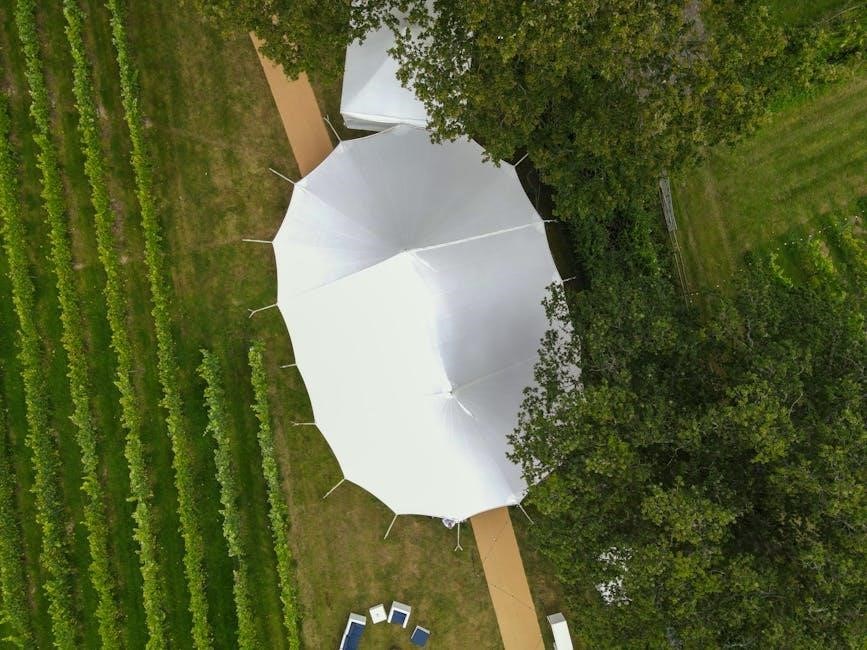
Installing Side Walls & Doors
Google Maps’ indoor navigation mirrors attaching walls – precise alignment is key! Securely fasten side walls and doors to the frame, ensuring a weatherproof and stable enclosure.

Tensioning the Fabric for a Weatherproof Seal
Achieving a truly weatherproof seal with your marquee’s fabric requires careful tensioning. Begin by uniformly stretching the fabric across the frame, utilizing the provided ropes or straps. Secure these at designated anchor points, gradually increasing tension to eliminate any sagging or wrinkles.
Pay close attention to corners and edges, as these are prime areas for water ingress. Ensure the fabric is taut and securely fastened to prevent flapping in the wind. Similar to Google Maps’ seamless integration of indoor floor plans, a smooth, consistent tension is crucial for a flawless finish.
Regularly inspect the tension, especially after initial setup and during periods of changing weather conditions. Re-tighten ropes or straps as needed to maintain optimal fabric tautness. Proper tensioning not only prevents leaks but also enhances the overall structural integrity of your marquee, safeguarding against potential damage. This meticulous approach guarantees a dry and comfortable environment for your event.
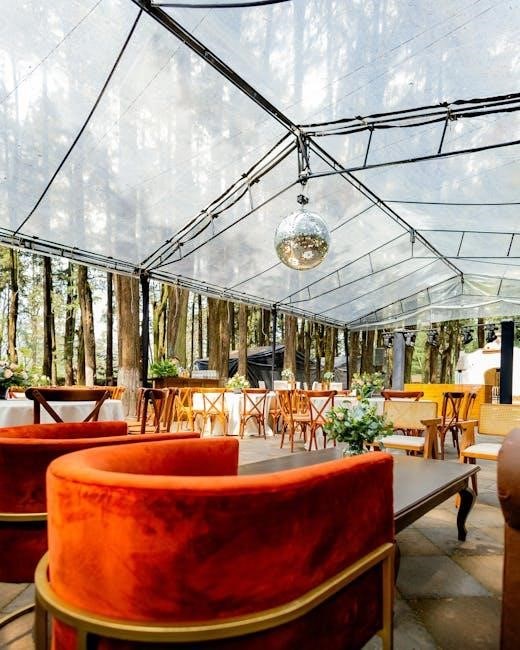
Safety Considerations
Google Maps prioritizes user safety with Street View, offering realistic previews; similarly, marquee safety demands careful anchoring, fire-resistant materials, and electrical precautions.
Wind Resistance & Anchoring Techniques
Ensuring marquee stability in windy conditions is paramount for safety. Proper anchoring techniques are crucial, varying based on ground conditions. For soft ground, utilize robust, long spiral stakes angled away from the marquee legs, driven deep into the earth. On harder surfaces, consider using weighted ballast blocks securely attached to the frame, distributing weight evenly. Google Maps’ detailed terrain views can assist in pre-site assessment, identifying potential wind tunnels or exposed areas.
Regularly inspect anchor points during events, especially with changing weather. Guy ropes, when used, should be taut and securely staked, forming a wide angle with the frame for maximum stability. Avoid obstructing pathways with ropes. For larger marquees, professional anchoring systems, potentially involving ground screws or concrete anchors, may be necessary. Remember, a well-anchored marquee is a safe marquee, protecting guests and equipment from potential damage or injury. Prioritize safety and consult professional advice when in doubt.
Fire Safety Regulations & Materials
Marquee fabric must adhere to strict fire safety regulations. Always prioritize flame-retardant or fire-resistant materials, clearly labeled with appropriate certifications. Avoid using flammable decorations inside the marquee, such as loose fabrics or untreated paper lanterns. Google Maps can help locate nearby fire departments for quick emergency access planning.
Ensure clear evacuation routes are marked and easily visible, and that guests are aware of these routes. Keep fire extinguishers readily accessible and ensure someone is designated to operate them. Open flames, including candles and portable heaters, are generally prohibited unless specifically permitted and safely contained. Electrical installations must comply with relevant safety standards, utilizing properly grounded wiring and surge protection. Regular inspections of electrical equipment are vital. Compliance with local fire codes is non-negotiable for a safe event.
Electrical Safety within the Marquee
Prioritize electrical safety when powering your marquee event. Utilize a qualified electrician for all installations, ensuring compliance with local regulations. Employ weatherproof cabling and connectors, especially for outdoor connections, to prevent hazards. Google Maps can assist in locating certified electricians in your area.
Avoid overloading circuits; distribute the electrical load evenly across multiple circuits. Regularly inspect all cables and connections for damage. Employ Residual Current Devices (RCDs) or Ground Fault Circuit Interrupters (GFCIs) to protect against electric shock. Keep electrical equipment away from water sources and flammable materials. Clearly mark all electrical panels and access points. Never run cables under walkways where they could be a trip hazard or damaged. Proper grounding is essential for all electrical systems within the marquee.
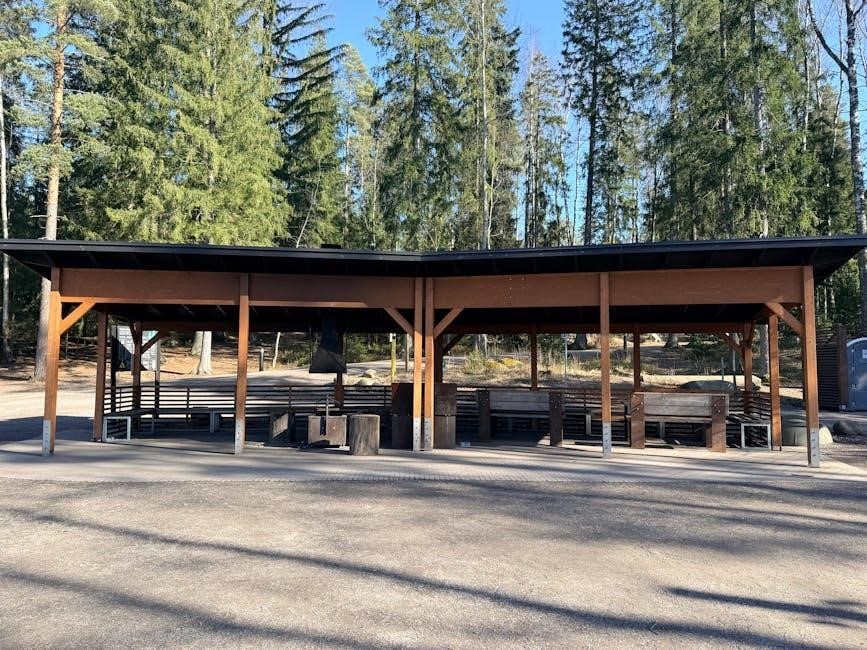
Enhancements & Accessories
Google Maps’ immersive Street View and 3D mapping inspire event décor; consider flooring, lighting, and climate control for a memorable marquee experience.
Flooring Options (Wooden, Carpet, Interlocking Tiles)
Selecting the right flooring significantly impacts the comfort and aesthetic of your marquee. Wooden flooring provides a classic, elegant look, suitable for formal events, but requires careful consideration for weather protection and potential slippage.
Carpet offers warmth and cushioning, ideal for creating a cozy atmosphere, and is available in various colors and textures to complement your event theme. However, carpet can be susceptible to damage from moisture.
Interlocking tiles, often made from durable plastic, are a practical and versatile option. They are easy to install, waterproof, and provide a stable surface, making them excellent for outdoor use.
Google Maps’ detailed imagery can inspire flooring choices by showcasing different textures and styles in various settings, aiding in visualizing the final look. Consider subflooring for added insulation and protection, regardless of the chosen material. Proper leveling is crucial for stability and safety.
Lighting Solutions (String Lights, Chandeliers, Spotlights)
Effective lighting transforms a marquee, setting the mood and enhancing the ambiance for your event. String lights offer a whimsical, festive feel, perfect for casual gatherings, and are relatively easy to install. Consider LED options for energy efficiency and reduced heat.
Chandeliers introduce elegance and sophistication, ideal for formal occasions, but require a sturdy frame to support their weight and careful wiring for safety.
Spotlights can highlight specific areas, such as a dance floor or buffet table, adding drama and focus.
Google Maps’ Street View can provide inspiration by showcasing how lighting is used in outdoor spaces, aiding in planning your marquee’s illumination. Remember to prioritize safety with weatherproof fixtures and professional electrical connections. Dimmer switches allow for adjustable ambiance throughout the event.
Heating & Cooling Systems
Maintaining a comfortable temperature within your marquee is crucial for guest enjoyment, regardless of the season. Heating systems, such as propane or electric heaters, are essential for cooler weather, ensuring guests remain warm and comfortable throughout the event. Safety is paramount; ensure proper ventilation and secure placement of heaters.
Cooling systems, like fans or air conditioning units, become necessary during warmer months. Portable air conditioners offer targeted cooling, while large fans can circulate air effectively.
Google Maps’ ability to display local weather conditions can assist in determining the appropriate heating or cooling needs. Consider the marquee’s size and insulation when selecting a system. Proper planning prevents discomfort and ensures a successful event.
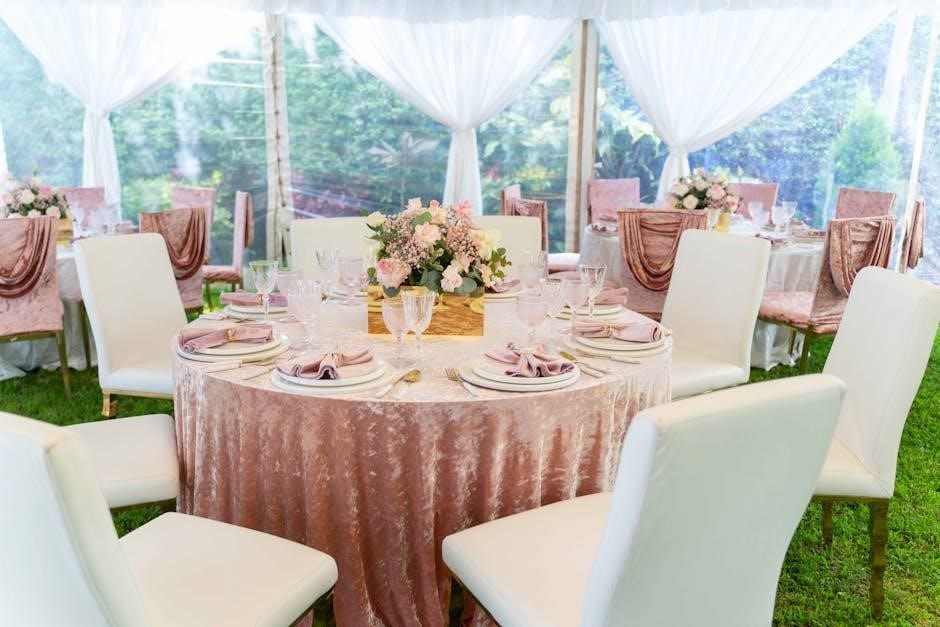
Maintenance & Care
Google Maps provides detailed location data, aiding in logistical planning for marquee maintenance and storage, ensuring accessibility and efficient upkeep of components.
Cleaning & Storing the Marquee Fabric
Regular cleaning is crucial for prolonging the life of your marquee fabric. After each use, brush off any loose dirt or debris with a soft-bristled brush. For more stubborn stains, use a mild soap solution and a sponge, gently scrubbing the affected area. Avoid harsh chemicals or abrasive cleaners, as these can damage the fabric’s coating.
Thorough drying is essential before storing. Ensure the fabric is completely dry to prevent mildew and mold growth. Spread the fabric out in a well-ventilated area, away from direct sunlight. Once dry, carefully fold the fabric, avoiding sharp creases.
Store the fabric in a cool, dry place, protected from pests and extreme temperatures. A breathable storage bag is ideal, allowing air circulation. Google Maps can assist in locating suitable storage facilities nearby, considering accessibility and climate control options. Proper storage will ensure your marquee fabric remains in excellent condition for years to come, ready for your next event.
Inspecting the Frame for Damage
Regular frame inspections are paramount for safety and structural integrity. After each event and before storage, meticulously examine all frame components – legs, beams, and connectors. Look for signs of bending, cracking, corrosion, or any other damage. Pay close attention to joints and connection points, as these are stress areas.
Check for loose or missing parts, including bolts, screws, and pins. Tighten any loose connections immediately. If you discover damaged components, do not use the marquee until they are repaired or replaced. Utilizing Google Maps street view can help locate nearby hardware stores for replacement parts.
Document any damage found, noting the location and severity; This will aid in tracking maintenance needs and preventing future issues. A proactive approach to frame inspection ensures a safe and reliable marquee structure, providing peace of mind for every event. Prioritize safety above all else.
Replacing Damaged Components
Promptly replace any damaged frame components to maintain marquee safety and structural soundness. Never attempt to repair severely damaged parts; replacement is crucial. Source replacement parts directly from the marquee manufacturer or a reputable supplier, ensuring compatibility.
When replacing components, carefully follow the manufacturer’s instructions. Ensure correct alignment and secure fastening of all connections. Utilize appropriate tools and techniques to avoid damaging surrounding parts. Google Maps can assist in locating authorized dealers or service centers nearby.
Keep a stock of essential spare parts, such as connectors and bolts, for quick repairs. Document all replacements made, noting the date and part number. Regular component replacement, coupled with diligent inspections, extends the lifespan of your marquee and guarantees a secure event space. Prioritize quality and safety during the replacement process.
Troubleshooting Common Issues
Google Maps’ indoor mapping and Street View offer visual aids for spatial understanding, potentially assisting in identifying structural issues within a marquee setup.
Dealing with Fabric Tears & Holes
Addressing fabric damage promptly is crucial for maintaining your marquee’s integrity and weather resistance. Small tears can often be repaired using a heavy-duty, waterproof patching kit specifically designed for marquee materials – typically a robust PVC-coated polyester. Ensure the area around the tear is clean and dry before applying the patch, following the kit’s instructions meticulously for optimal adhesion.
For larger holes, or tears near seams, professional repair is highly recommended. Attempting a complex repair yourself could compromise the fabric’s strength and waterproofing. Consider contacting a marquee hire company or specialist repair service. They possess the expertise and equipment to perform durable, long-lasting repairs.
Google Maps’ detailed imagery, while not directly applicable to fabric repair, highlights the importance of visual inspection for identifying damage – a principle applicable to marquee maintenance. Preventative measures, like avoiding stretching the fabric excessively during installation, can minimize the risk of tears. Regular inspections are key!
Addressing Frame Instability
Frame instability is a serious safety concern demanding immediate attention. Initial checks should focus on confirming all connectors are securely fastened and that no pins are missing. Re-tighten any loose connections, ensuring they ‘click’ into place. Inspect legs for proper grounding – uneven ground can induce stress.
If instability persists, carefully assess the supporting structure. Look for bent or damaged poles, which compromise structural integrity; Do not attempt to continue using a damaged frame; it poses a significant risk. Professional inspection is vital.
Similar to Google Maps’ precise mapping requiring accurate data points, a stable marquee relies on correctly assembled and secured components. Reinforce anchoring points, especially in windy conditions. Consider adding additional guy ropes for enhanced stability. Prioritize safety – a compromised frame is never worth the risk.
Preventing Water Leaks
Water leaks can quickly ruin an event, so proactive prevention is crucial. Begin by ensuring the roof fabric is taut and correctly secured to the frame. Pay close attention to overlaps and seams, verifying they are properly aligned and fastened. Utilize waterproof tape to seal any potential weak points or small tears;
Proper tensioning, much like Google Maps accurately aligning satellite imagery with floor plans, is key. Regularly inspect the fabric for pooling water, which indicates insufficient tension. Ensure gutters and drainage channels are clear of debris to facilitate efficient water runoff.
Consider applying a waterproof sealant specifically designed for marquee fabrics. Regularly check the condition of the fabric, addressing any damage promptly. A dry event is a happy event – preventative measures are well worth the effort!