
salvation army donation value guide
Donation Valuation Guide Purpose
The Donation Valuation Guide helps donors estimate the worth of items before giving to the Salvation Army․ It explains how per‑item values are set, the factors considered, and how this information supports fair, transparent giving․
Guide values update quarterly to reflect market trendsnow․
Understanding How Donation Values Are Determined
The Salvation Army’s Donation Valuation Guide, available at https://satruck․org/Home/DonationValueGuide, outlines a transparent methodology for estimating the monetary worth of household goods before they are donated․ The guide employs a per‑item valuation approach, assigning a suggested value range based on the item’s category, brand, age, and overall condition․ Items that are new or gently used receive higher estimates, while those that show significant wear or damage are assigned lower values․ The valuation process also considers current market demand; popular items such as contemporary clothing or recent electronics may command higher values than older, less sought‑after items․ Each valuation list is reviewed and updated quarterly to reflect changes in retail prices, supply and demand fluctuations, and seasonal trends․ This periodic revision ensures that donors receive the most accurate and up‑to‑date estimates possible․ The guide also explains that the values listed are intended as a reference for donors and are not a guarantee of resale price․ The Salvation Army’s thrift stores purchase donated goods at a fraction of the suggested value, using the proceeds to fund community programs and humanitarian services․ Donors can use the online valuation tool to estimate item values by selecting categories and condition levels․ The tool updates with the latest market data, ensuring donors receive guidancenow․

Item Categories & Value Ranges
Salvation Army lists common household categories—clothing, furniture, appliances, books, toys, and kitchenware—each with a suggested value range․ Prices vary by brand, condition, and market demand․ The guide updates quarterly to reflect current resale trends, ensuring accurate estimates donors․

Typical Value Ranges for Common Household Items
Below are approximate per‑item values used by the Salvation Army for common household donations․ These ranges are based on current resale markets and are updated quarterly․ Keep in mind that condition, brand, and demand can shift values․
- Clothing: $1–$5 for most items; $5–$10 for designer or seasonal pieces․
- Footwear: $1–$5 for everyday shoes; $5–$10 for high‑end or specialty footwear․
- Furniture: $5–$15 for small pieces; $15–$30 for larger items like sofas or dining sets․
- Appliances: $5–$10 for small appliances; $10–$20 for larger units such as refrigerators or washers․
- Books & Media: $1–$3 for most titles; $3–$5 for collectible or rare editions․
- Toys & Games: $1–$3 for most items; $3–$5 for branded or limited‑edition games․
- Kitchenware: $1–$3 for standard items; $3–$5 for premium cookware or specialty pieces․
- Electronics: $5–$10 for basic devices; $10–$20 for newer or higher‑end gadgets․
These figures are guidelines; the Salvation Army may adjust values based on local demand and item quality․ For the most accurate estimate, consult the online Valuation Guide or contact a local thrift store․
These estimates help donors understand the potential resale value and support the Army’s mission․ Always verify with local store staff for final appraisal Check our guide․!

Financial Donations & Tax Benefits
Monetary gifts are valued at the donation date’s fair market value․ The Salvation Army issues a receipt for the full amount, allowing donors to claim a deduction on their federal return․ Limits apply per year․ Guidelines ensure fair valuation․ Thanks!!
How Monetary Gifts Are Valued for Tax Deductions
When you give cash or a check to the Salvation Army, the amount is straightforward: the exact sum you transfer is the value used for tax purposes․ The organization issues a written receipt that records the date, the donor’s name, the donation amount, and the method of payment․ This receipt is the primary proof required by the IRS for a charitable deduction․ The IRS allows a deduction equal to the full amount of the gift, provided the donation is to a qualified 501(c)(3) entity and you itemize deductions on your federal return․ For gifts over $500, the donor must complete Form 8283 and attach the receipt; for gifts under $500, a simple acknowledgment suffices․ The Salvation Army also offers a “donation voucher” for online contributions, which serves the same purpose․ It is essential to keep a copy of the receipt and any supporting documentation for at least three years, in case the IRS requests verification․ Note that the deduction is limited to 60% of your adjusted gross income for cash gifts, with any excess carried forward for up to five years․ If you donate a security or other asset, the valuation rules differ, and the organization will provide a separate appraisal․ Always consult a tax professional to ensure compliance with current IRS regulations and to maximize your deduction potential․ Additionally, donors can track their contributions through the Salvation Army’s online portal, which automatically generates a PDF receipt that can be printed or emailed for record‑keeping and verify compliance today․ Thanks!!!

Household Goods Donation Process
The Salvation Army’s household donation process starts with an online eligibility check․ Donors pack items, label with category codes, schedule pickup or drop‑off at a local thrift store․ Items are assessed, valued per item, a receipt is issued for tax records․ All items are handled with care․
Steps for Preparing and Donating Physical Items
Before donating, separate usable items from worn ones․ Measure larger items to fit standard donation containers․ Remove batteries from electronics for safety․ Fold clothing neatly, place in clean bags, label each bag with a brief description for staff․ Keep a record of your donation and its estimated value assigned by the Salvation Army․ This helps ensure accurate valuation and supports the organization’s mission․ Additionally, keeping a simple inventory list can aid future tax deductions and personal tracking for all donors!

Donation Pickup & Drop-off Locations
Use the Salvation Army’s online locator to find nearby drop‑off sites and schedule a pickup․ Most locations accept items Monday‑Friday, 8 a․m․–5 p․m․ For large donations, request a free truck․ Always confirm hours and bring a copy of your donation receipt for records․ Contact local office for aid
Finding Nearby Salvation Army Thrift Stores and Pickup Services
Use the Salvation Army’s online locator to find now․ Enter your ZIP code or city name on the official Donation Value Guide page, and the system will display a list of locations with addresses, phone numbers, and operating hours․ Many sites offer free pickup for large donations; simply schedule a convenient time through the website or by calling the local office․ For smaller items, drop‑off is accepted Monday through Friday, 8 a․m․ to 5 p․m․ Some locations also provide a “Drop‑In” window for walk‑in donations․ Always bring a copy of your donation receipt for tax documentation today!
The locator also displays each store’s capacity limits, special donation days, and whether they accept specific items such as electronics, clothing, or furniture․ Some locations offer a “Drop‑In” window for walk‑in donations, while others require an appointment for large items․ If you prefer a pickup, the Salvation Army’s mobile donation trucks operate on a rotating schedule; you can request a pickup by filling out the online form or calling the regional office․ After your items are collected, they are sorted, cleaned and sold in the thrift stores, with proceeds supporting community programs, disaster relief, and the Army’s global mission․ Remember to keep your receipt for tax purposes and to track the impact of your generosity․
By donating, you help fund services such as shelter, food, and rehabilitation programs for those in need, while supporting the Army’s world outreach․

Donation Receipt & Documentation
The Salvation Army provides a donation receipt upon drop‑off or pickup․ This receipt lists item descriptions, estimated values, and the donation date․ Keep it for tax deductions records, confirms contribution Attach the receipt to your tax return for benefit!
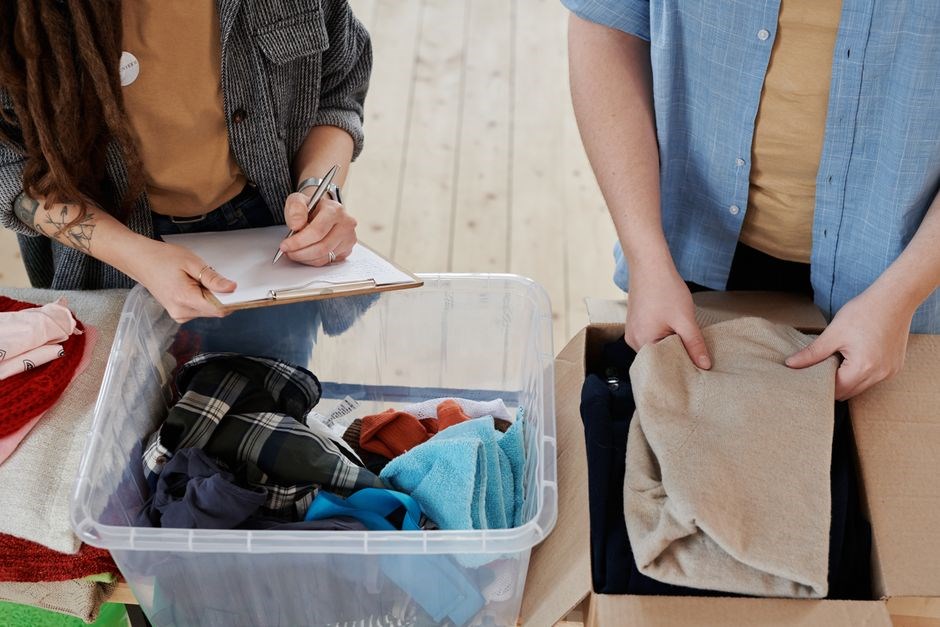
Obtaining Receipts for Tax and Record-Keeping
When you donate to the Salvation Army, a receipt is issued at the point of donation․ The receipt includes the donation date, a brief description of the items, and an estimated value based on the Salvation Army’s valuation guide․ This document is essential for claiming tax deductions and for personal record‑keeping․
To obtain the receipt, simply request it at the donation center or during a pickup․ If you donate online, the receipt will be emailed to the address you provide․ For large or complex donations, the staff may offer a detailed item list․ Keep the receipt in a safe place and attach it to your tax return when filing․
For documentation purposes, you may also request a copy of the valuation guide used for your donation․ This guide is updated quarterly and can be accessed on the Salvation Army’s website․ Having the guide and receipt together provides a clear audit trail and helps ensure compliance with IRS guidelines for charitable contributions․
When filing taxes, keep a copy of the receipt and valuation guide in a secure folder․ The IRS allows deductions up to 50% of your adjusted gross income for charitable contributions․ Record the donation date, the estimated value, and any receipts․ If you are audited, the Salvation Army can provide additional documentation to support your claim․
Keep the receipt number and a digital copy for easy during tax season if the Salvation Army needs confirmation!

Donation Impact & Use of Funds
The Salvation Army channels donated funds into community programs, emergency relief, and support services․ Each dollar helps fund shelters, food banks, and disaster response․ Transparency reports show allocation percentages․ Funds empower hope and growth․!!
Where Donations Are Allocated within the Salvation Army
Donated items are assessed for resale value․ Good items go to thrift stores, generating revenue that supports community services, disaster relief, youth programs, and international aid․ Direct donations are routed to shelters, food banks, or literacy projects․ The Salvation Army tracks each item’s journey and publishes annual reports showing how funds are spent․ The allocation process ensures that every dollar is used efficiently․ Items are sorted by condition and type, and the most valuable goods are prioritized for resale․ The Salvation Army’s pricing strategy reflects current market trends, ensuring fair compensation for donors while maximizing proceeds for community programs․ All proceeds support community programs and ensure transparency daily․
- Community Services: Shelters, food banks, counseling․
- Disaster Relief: Reserve for rapid response․
- Youth Programs: After‑school, mentorship․
- International Aid: Medical supplies, clean water․
Donors receive receipts detailing estimated value․ Transparency and accountability are maintained through internal tracking and public reporting․ The receipt includes an itemized list and a valuation estimate, allowing donors to verify the contribution․ The Salvation Army also provides guidance on how to document large donations for tax purposes, ensuring compliance with IRS regulations․ Donors may also request a certified appraisal for high‑value items․

Donation Value Estimation Tips
Use the Salvation Army’s online valuation tool, compare similar items, check condition, and consider recent resale prices․ Document each item’s details, and keep receipts for tax records․
Check the Salvation Army’s online price guide for updated values and note any special conditions like brand
How to Estimate the Value of Your Items Before Donation
Begin by reviewing the Salvation Army’s online valuation tool, which lists approximate values for thousands of household goods․ Enter each item’s category, brand, and condition to receive a suggested price․ Cross‑check this figure against recent sales on platforms such as eBay, Craigslist, and local thrift‑store listings to ensure accuracy․
Next, assess the item’s condition: new, gently used, or heavily worn․ The guide assigns a multiplier for each condition tier, so a “new” jacket might be worth 80% of its retail price, while a “worn” jacket could drop to 20%․ Record the condition in a simple spreadsheet or note app for quick reference․
Consider the item’s age and rarity․ Limited‑edition or vintage pieces can command higher values than generic items․ If you’re unsure, reach out to the Salvation Army’s donation center; volunteers often have experience estimating niche items․
Finally, keep a printed or digital copy of each valuation for tax purposes․ The Salvation Army issues receipts that reflect the estimated value, which can be used when filing deductions․ Accurate estimation not only helps you claim the correct amount but also ensures the organization receives fair compensation for the goods it redistributes․
Remember, the valuation guide is a reference, not a legal appraisal․ For large or unique items, consider a formal appraisal if you plan to claim a higher deduction today․!