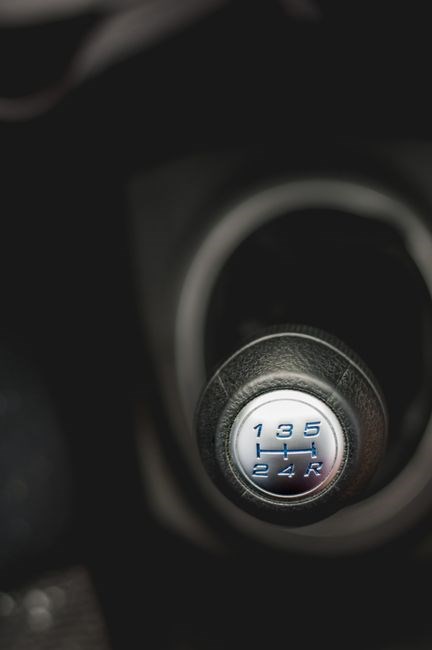
does a manual transmission have transmission fluid
Manual Transmissions: Do They Use Fluid?
Manual transmissions rely on gear or motor oil to lubricate gears, synchronizers, and clutches. Most use 5W‑30 motor oil or 75W‑90 GL‑4 gear oil, ensuring smooth shifting and protection against wear. It is essential for longevity. Now.!
Definition of Transmission Fluid in Manual Systems
In a manual gearbox, the fluid is not a single “automatic transmission fluid” but a blend of lubricants chosen to meet the distinct mechanical demands of gears, synchronizers, and clutch packs. The primary role is to reduce metal‑to‑metal contact, dissipate heat, and provide a clean environment for the metal surfaces. Most manufacturers specify a 5W‑30 motor oil or a 75W‑90 GL‑4 gear oil, each with additives that enhance oxidation resistance, anti‑wear performance, and corrosion protection. The fluid’s viscosity must be low enough to allow quick engagement of synchronizers while remaining thick enough to maintain a film between gear teeth under high load. In addition to lubrication, the fluid carries away frictional heat and scavenges metal particles, preventing abrasive wear. Some modern manual transmissions, especially those in heavy‑duty or high‑performance vehicles, may call for a dedicated “manual transmission oil” with a higher viscosity index or a specific additive package. Regardless of the exact formulation, the fluid’s presence is essential for smooth shifting, extended component life, and overall drivetrain reliability. It also filters debris, impair function!!!!
Common Fluid Types for Manual Transmissions
Manual gearboxes typically use 5W‑30 motor oil or 75W‑90 GL‑4 gear oil. Some models require a dedicated manual transmission oil with higher viscosity index. The fluid reduces wear, dissipates heat, and keeps synchronizers clean.
Motor Oil (5W-30) vs Gear Oil (75W-90 GL-4)
When selecting a lubricant for a manual gearbox, the choice between standard motor oil and specialized gear oil hinges on viscosity, additive package, and operating conditions. A 5W‑30 motor oil, commonly used in engine bays, offers excellent low‑temperature flow and a balanced additive blend that protects bearings and seals. However, its lower viscosity index and thinner film strength mean it may not withstand the high‑pressure, high‑temperature environment inside a manual transmission, especially under heavy load or aggressive driving. Gear oil such as 75W‑90 GL‑4 is formulated with a higher viscosity index, providing a thicker lubricating film that resists shear and maintains pressure across gear teeth. Its additive system includes anti‑wear agents and friction modifiers that reduce metal‑to‑metal contact, extend synchronizer life, and help keep the clutch plates clean. In many modern vehicles, manufacturers specify a 75W‑90 GL‑4 or a similar gear oil for the manual gearbox, while allowing 5W‑30 for the engine. Using the correct fluid type ensures optimal gear engagement reduces noise, and prolongs overall lifespan of the transmission.
Manufacturer-Specific Fluid Requirements
Each brand sets unique specs: Ford demands MERCON LV, GM calls for DEXRON‑VI, while European models often use DCT‑specific blends. Using the listed fluid guarantees proper lubrication, prevents wear, and maintains warranty coverage
Ford MERCON LV, GM DEXRON-VI, and Other Standards
Ford’s MERCON LV and GM’s DEXRON‑VI are the most common specifications for manual gearboxes in North America. MERCON LV, a low‑viscosity gear oil, is designed to provide excellent wear protection while keeping drag low, making it ideal for both passenger cars and light trucks.
MERCON LV, a low‑viscosity gear oil, is designed to provide excellent wear protection while keeping drag low, making it ideal for both passenger cars and light trucks.
Kendall’s VersaTrans LV ATF is a full‑synthetic, low‑viscosity fluid that meets the MERCON LV and DEXRON‑VI requirements, and it is backwards compatible with older ATF‑3 formulations.
For European models, a dual‑clutch transmission (DCT) fluid that blends properties of manual and automatic oils is often required; these are labeled as DCT‑specific and contain higher friction modifiers. and more
When selecting fluid, always consult the owner’s manual or a dealership to confirm the exact specification, as using a fluid that does not meet the manufacturer’s rating can lead to accelerated wear, reduced shift quality, and potential warranty voiding.

Dual-Clutch Transmissions: Fluid Characteristics
Dual‑clutch gearboxes blend manual fluid traits, using low‑visc blends with friction modifiers. They need synthetic ATF‑compatible oils to protect clutches and support shifts.
Hybrid Properties of Manual and Automatic Fluids
Dual‑clutch gearboxes are engineered to operate with a fluid that marries the lubrication qualities of traditional manual gear oils and the friction‑modifying attributes of automatic transmission fluids. This hybrid blend typically features a low‑viscosity base (often 5W‑30 or 0W‑40) combined with additives that provide the necessary friction modifiers, anti‑wear agents, and oxidation resistance required for the high‑speed, high‑temperature environment of dual‑clutch systems. The result is a fluid that can keep the clutch packs and gear sets lubricated while also delivering the precise friction characteristics needed for rapid, seamless gear changes. Manufacturers often specify proprietary DCT fluids that meet these dual‑role requirements, and using the correct blend is essential for maintaining shift quality, reducing wear, and extending the life of the transmission. In practice, the hybrid fluid must be compatible with both the metal‑to‑metal contact in the gear train and the clutch‑pack dynamics, which is why many brands provide dedicated DCT formulations rather than simply recommending a standard gear oil or ATF. Use the correct fluid to ensure smooth gear operation. today.
Recommended Fluid Change Intervals
Manuals typically call for fluid changes every 30,000–50,000 miles, though some owners report safe intervals up to 100,000 miles under light use. Heavy‑duty units often require 30,000‑mile service for longevity. Follow manual guide
Standard vs Heavy‑Duty Manual Transmissions
Standard passenger‑car manuals usually run on 5W‑30 motor oil or 75W‑90 GL‑4 gear oil, with change intervals of 30,000–50,000 miles. Heavy‑duty units—such as those in commercial trucks or off‑road workhorses—often demand more robust fluids like 75W‑90 GL‑4 or even 80W‑90, and service every 30,000 miles or less; The difference stems from torque capacity: heavy‑duty gears are built for 1,500–2,000 lb‑ft, whereas standard cars handle 300–600 lb‑ft. Consequently, heavy‑duty clutches and synchronizers are larger, and the fluid must maintain viscosity under higher temperatures and loads. Manufacturers such as Ford (MERCON LV) and GM (DEXRON‑VI) specify these grades for their heavy‑duty models, while most passenger cars accept the lighter 5W‑30. Ignoring these distinctions can lead to premature wear, overheating, and costly repairs. Always consult the owner’s manual or a certified technician before selecting a fluid for a heavy‑duty transmission.
Heavy‑duty gearboxes also feature reinforced synchronizers and larger clutch packs, which demand higher‑temperature tolerance. Many manufacturers recommend using a dedicated heavy‑duty gear oil (e.g., 75W‑90 GL‑4) to preserve wear‑stopper additives and ensure longevity under sustained loads. and life.now
Impact of Driving Conditions on Fluid Longevity
Stop‑and‑go traffic and heavy towing accelerate fluid oxidation, causing sludge and loss of lubricity. Smooth, highway driving preserves viscosity, extending service intervals!!
High Mileage vs Normal Use Scenarios
High‑mileage vehicles show more wear on synchronizers and bearings, accelerating oil degradation. Manufacturers often advise changing fluid every 15,000–20,000 miles to keep lubrication optimal and avoid metal‑to‑metal contact. Normal‑use cars can usually follow a 30,000‑mile interval if the fluid stays clear and free of contamination. Short trips, aggressive driving, or towing can push a normal vehicle toward a high‑mileage profile, requiring earlier checks. Conversely, a high‑mileage car driven mainly on long highways may still benefit from extended intervals if the fluid shows no oxidation or contamination. Visual inspections—color, consistency, odor—are essential for both scenarios, ensuring the fluid continues to provide film strength and friction control.
- Check fluid color: clear to amber indicates good condition.
- Smell: a burnt odor signals oxidation and impending failure.
- Check pressure: low transmission pressure may mean worn seals or bearings.
- Inspect for metal shavings: their presence indicates internal wear and imminent damage.
Check daily!
Mileage diagnostics fluid‑change schedules to match wear on?
Common Myths About Manual Transmission Fluid
Many believe manual transmissions need frequent fluid changes, yet most last 30k–50k miles if oil remains clear. Proper gear oil keeps synchronizers lubricated, preventing metal‑to‑metal wear. Regular checks extend life. Stay sharp.
Do Manual Transmissions Require Frequent Fluid Changes?
While many owners assume manual transmissions demand frequent fluid changes, most manufacturers recommend intervals of 30,000 to 50,000 miles for standard gear oil, provided the fluid remains clear and free of debris. The key to longevity lies in regular inspections: checking color, odor, and viscosity. A dark, burnt‑smelling fluid signals oxidation and metal wear, warranting a change. Conversely, clear, light‑colored oil can often endure beyond the stated interval, especially on vehicles with low mileage or gentle driving habits. Heavy‑duty or high‑performance models may require tighter intervals—sometimes as low as 15,000 miles—due to higher operating temperatures and increased gear loads. Modern gear oils, such as 75W‑90 GL‑4, contain additives that resist oxidation and provide excellent wear protection, extending service life. Ignoring these guidelines can lead to premature clutch slippage, gear wear, and costly repairs. Therefore, the best practice is to follow the manufacturer’s service schedule, supplementing it with periodic visual checks, and adjust based on driving conditions rather than adhering to a one‑size‑fits‑all approach. Check fluid regularly!
Signs of Fluid Degradation in Manual Transmissions
Red or brown fluid, a burnt odor, or a metallic taste signals oxidation and wear. Rough shifting, clutch slippage, or delayed gear engagement indicates degradation. Inspect regularly to catch problems early and preserve longevity.
Color Changes, Smell, and Performance Issues
Color shifts from clear or amber to dark brown or black often indicate oxidation, metal shavings, or contamination. A sharp, acrid or burnt odor suggests overheated fluid or degraded additives. Performance symptoms include sluggish shifting, clutch slippage, or delayed gear engagement. When the fluid turns a deep mahogany or black, it may have absorbed water or been contaminated by debris. A sweet, oil‑like smell that turns to a sharp, burnt scent after a short drive indicates thermal breakdown. If the transmission feels sluggish, the gear shift may lag, or the clutch may slip under load, these are signs that the lubricating properties have diminished. Regular checks of fluid level, color, and odor can catch degradation early, preventing costly repairs such as bearing failure or gear wear. Owners should also note that a sudden drop in fluid level can signal a leak, while a thick, sludge‑like consistency may indicate contamination. Prompt replacement restores proper gear mesh and reduces wear on synchronizers, ensuring smooth operation daily! soon
Choosing the Right Fluid for Your Vehicle
Kendall Motor Oil ATF4, a full‑synthetic blend, is backward compatible with ATF3 and meets Ford MERCON LV and GM DEXRON‑VI standards. Consult manufacturer specs and third‑party reviews before selecting fluid for your manual transmission now.
Consulting Manufacturer Guidelines and Third-Party Recommendations
Before selecting a fluid for a manual transmission, always reference the vehicle’s owner manual or the manufacturer’s technical bulletin. These documents state the exact viscosity grade, additive package, and any special requirements such as low‑shear or high temperature performance. For example, a 2015 Ford Mustang manual gearbox calls for 75W‑90 GL‑4 gear oil, while a 2018 Honda Civic with a 6‑speed manual prefers 5W‑30 motor oil. Manufacturers also publish recommended service intervals that match the fluid’s degradation profile.
Suppliers provide detailed specifications and compatibility charts. Brands like Kendall, Mobil, and Valvoline publish data sheets comparing their fluids against OEM standards, including MERCON LV, DEXRON‑VI, and JASO MA/MB. Third‑party reviews and forum posts reveal real‑world performance, such as how a fluid handles mileage or driving. However, forum anecdotes should be weighed against peer‑reviewed studies and the manufacturer’s own testing.
When in doubt, consult a certified technician or use a diagnostic tool that reads transmission codes. Many modern vehicles have a fluid monitoring system that alerts the driver when the fluid’s condition falls below a threshold. By combining official specifications, third‑party data, and professional diagnostics, you can confidently choose a fluid that meets both the manufacturer’s intent and the vehicle’s regular daily operational demands.